
Zoe Vogel · 27 September 2026
Unlocking Audience Retention Through Adaptive Storytelling Methods in Interactive Media
Adaptive storytelling methods reshape how audiences interact with digital content by adjusting narratives based on user choices and behaviors, and this approach appears across video games, streaming platforms, and virtual environments where stories evolve in real time rather than follow fixed sequences. Researchers have tracked retention metrics in these formats, and data from multiple studies indicate that interactive elements can extend engagement periods compared to linear formats because participants influence plot directions and character outcomes directly.
Core Elements of Adaptive Storytelling
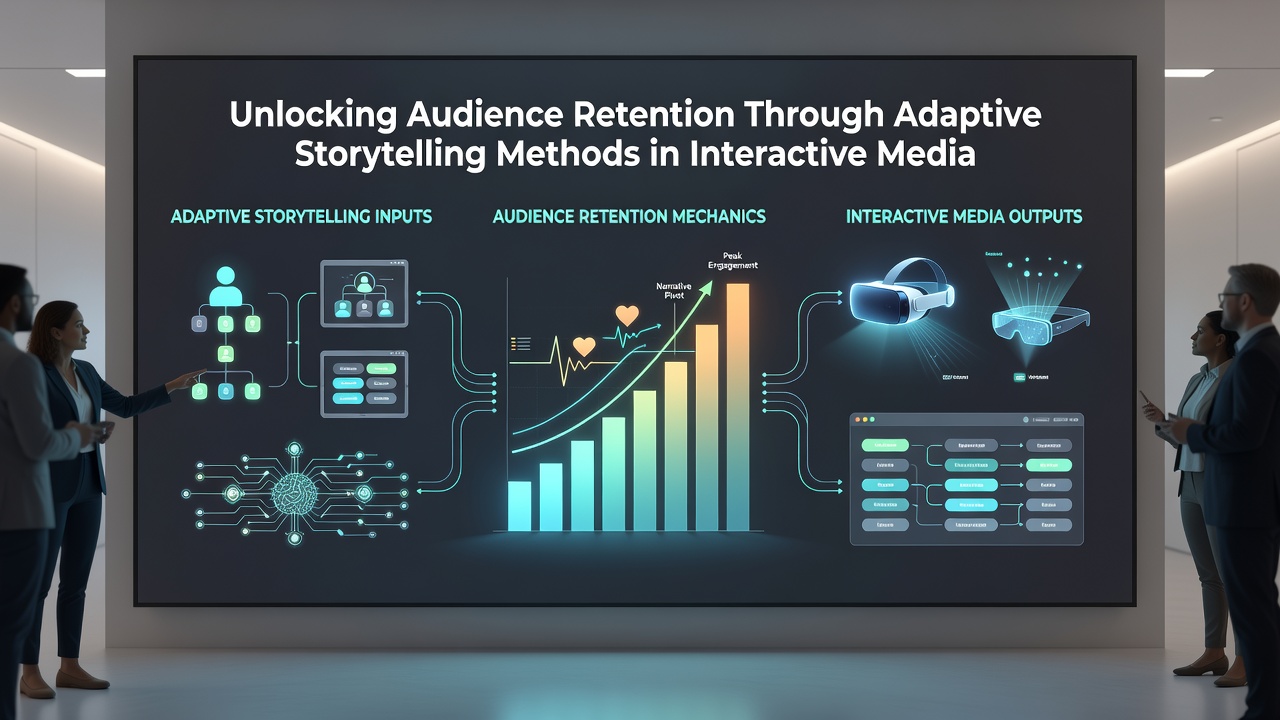
Branching narratives form the foundation of these methods, and they rely on decision trees that split storylines at key points while algorithms track previous selections to maintain consistency across sessions. Machine learning models analyze user patterns during play, and systems then modify dialogue, events, or endings to match detected preferences without requiring manual rewrites for every path. Observers note that this process draws from earlier choose-your-own-adventure formats yet scales through computational power that handles thousands of simultaneous variations at once.
Real-time feedback loops connect user actions to story adjustments, and developers integrate sensor data from devices such as controllers or headsets to detect emotional cues like hesitation or rapid selections. These signals feed into backend systems that recalibrate difficulty or tension levels, and the result keeps participants invested because the experience feels personalized rather than generic. Data indicates retention improves when systems avoid repetitive content by generating new branches dynamically.
Implementation Across Platforms
Video game studios apply adaptive techniques in titles that alter quest structures based on alliance choices, and examples include role-playing series where companion relationships shift according to accumulated decisions over multiple hours of play. Streaming services have tested similar features in select episodes where viewers select options that redirect scenes, and early trials showed varied completion rates tied to the number of meaningful choices presented. Virtual reality environments extend this further by incorporating physical movements that trigger environmental changes, and studies reveal higher return visits when spatial decisions affect narrative progression visibly.
September 2026 brought updated industry figures from the Entertainment Software Association that highlighted growth in adaptive features within major releases, and these reports connected retention gains to increased use of procedural content generation that fills gaps between user-driven branches. Platforms outside gaming have followed suit, with educational applications using similar logic to adjust lesson paths based on quiz responses, and retention data from those tools shows sustained user activity when narratives incorporate real-world decision consequences.
Measurement of Retention Outcomes
Analytics platforms record metrics such as session duration, return frequency, and completion percentages, and comparisons between adaptive and static content demonstrate measurable differences in these areas. Researchers at various institutions have published findings that link higher retention to stories where user input produces visible long-term effects rather than cosmetic changes, and this pattern holds across different age groups and content genres. One study revealed that systems providing clear feedback on past choices encouraged continued participation because participants tracked their influence on outcomes over repeated sessions.
Technical challenges include maintaining narrative coherence when multiple branches intersect, and developers address this through constraint solvers that prevent contradictory events from occurring in the same playthrough. Data from production logs shows that teams allocate significant resources to testing edge cases where rare choice combinations might break immersion, yet successful implementations sustain audience interest by balancing freedom with logical story flow.
Future Developments and Industry Trends
Advances in artificial intelligence continue to expand adaptive capabilities, and upcoming tools promise finer control over emotional pacing based on biometric inputs collected during sessions. Industry organizations such as the Interactive Software Federation of Europe have documented rising investment in these technologies, and projections tie further retention improvements to better integration of cloud computing that supports complex calculations without local hardware limitations. Academic sources from institutions in Canada and Australia have contributed research on ethical considerations around data collection for personalization, and these papers emphasize transparent consent mechanisms that maintain user trust while enabling deeper adaptations.
Conclusion
Adaptive storytelling methods continue to evolve through combined efforts in technology and content design, and they provide structured ways for interactive media to hold audience attention by making narratives responsive to individual inputs. Evidence from platform data and research reports supports the effectiveness of these approaches in extending engagement across varied formats, while ongoing refinements address coherence and personalization challenges. As systems advance, retention metrics offer ongoing benchmarks for evaluating how well adaptive techniques meet audience expectations in digital environments.